Key Takeaways:
- How long memory foam mattresses last depends more on daily use and material quality than on warranty length.
- Comfort decline usually happens gradually, not suddenly, which makes lifespan harder to judge.
- Memory foam sagging and slow recovery are early indicators of material fatigue.
- Environment, sleeper weight, and daily mattress use impact foam mattress longevity more than age alone.
- A guided assessment helps determine whether adjustment or replacement is the right next step.
Why Memory Foam Mattress Lifespan Is Often Misunderstood
Memory foam mattresses are frequently marketed with long warranties and durability claims. This can create unrealistic expectations about how long they should feel supportive.
Apart from that, many sleepers unfortunately also assume that a mattress should maintain the same comfort level for its entire warranty period.
In reality, comfort and support change gradually as the mattress materials respond to repeated pressure and heat.
A realistic discussion about how long memory foam mattresses last focuses less on promised years and more on how the mattress performs in everyday sleep conditions.
The goal is not to hit a specific number of years, but to understand when comfort, alignment, and support begin to decline in ways that affect sleep quality.
What “Lifespan” Really Means Beyond Warranty Years
A mattress's actual lifespan is best measured through lived experience rather than printed guarantees. Warranty coverage often addresses direct manufacturing defects, but not comfort degradation.
Why does this distinction matter?
To evaluate where your mattress stands, consider a few of these factors. How long it has been used consistently, how many sleepers are using the mattress, and how many hours it is slept on nightly.
The reason is that daily use accumulates exponentially. This is especially true in households where the bed also doubles as a resting or working space.
Comparing current comfort with how the mattress used to feel when new is often more revealing than counting years.
Subtle changes in support are usually the earliest signal that the mattress is moving into the later stage of its usable life.
How Usage and Environment Affect Memory Foam Durability
Memory foam reacts directly to body heat, pressure, and surrounding conditions. In warmer or more humid environments, foam may soften faster and recover more slowly. Over time, this can accelerate wear in areas that support the shoulders, hips, and lower back.
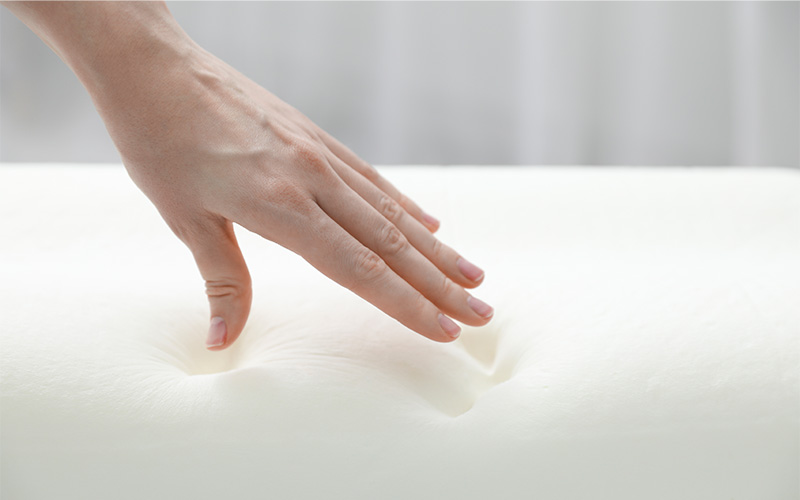
The impact of daily mattress use becomes clearer when checking the surface response. Run a hand across the mattress to feel for uneven softness. Gently press common sleep zones and observe how quickly the foam regains its shape. Slower recovery or inconsistent resistance often points to early material fatigue.
Households shopping for mattress options in Singapore often overlook how climate and usage patterns influence long-term performance. These factors play a meaningful role in determining foam mattress longevity, sometimes more than brand or price alone.
Signs That Comfort and Support Are Starting to Decline
Visible sagging is not the only indicator of wear. Memory foam sagging often begins internally before it becomes obvious on the surface.
A practical way to assess usability is to lie in your usual sleeping position and notice spinal alignment. If the body feels slightly sunken or unevenly supported, comfort may be diminishing. Increased tossing and turning, pressure build-up in familiar areas, or waking with stiffness are also common signals.
Checking for persistent body impressions that do not fade after several hours of rest helps confirm whether the foam has lost resilience. When these signs appear together, the mattress is likely past its optimal support phase, even if it still looks intact.
How Long Do Memory Foam Mattresses Last With Daily Use?
So, how long do memory foam mattresses last under normal conditions? Most experience noticeable comfort changes within a typical usage range rather than at a fixed year mark. Daily sleepers often begin to feel support decline earlier than expected, especially when the mattress is used every night without rotation.
Foam mattress longevity varies depending on density, construction, and sleeping habits. Higher-quality foams tend to maintain structure longer, while lighter or softer foams may compress sooner under repeated load. The key is recognising when comfort no longer matches your needs, not waiting for complete breakdown.
For those browsing bed mattresses for sale, understanding realistic lifespan expectations helps prevent over-reliance on marketing claims and supports better long-term decisions.
When Is It Time to Replace a Memory Foam Mattress?
Replacement is rarely triggered by a single issue. It usually becomes necessary when gradual changes consistently affect sleep quality. Persistent discomfort, morning soreness, or poor support that does not improve with pillow adjustments are strong indicators.
Physical signs such as deep body impressions, uneven firmness, or areas that feel noticeably softer often suggest irreversible foam fatigue. When a mattress has been used daily for several years and shows multiple signs of wear, continued use may compromise rest even if the structure appears sound.
Lifestyle changes also matter. Weight shifts, evolving sleep preferences, or increased sensitivity to firmness can make an older mattress unsuitable. In these cases, replacement supports better alignment and comfort rather than forcing adaptation.
Tips to Extend the Lifespan of a Memory Foam Mattress
While no mattress lasts indefinitely, proper care can slow comfort decline and help memory foam maintain support for longer. One of the most effective habits is rotating the mattress regularly. Rotating every three to six months helps distribute pressure more evenly, reducing premature wear in common sleep zones such as the hips and shoulders.
Using a supportive bed base also plays a key role. A well-fitted bed frame or coordinated bed set ensures the mattress receives consistent support across its surface. Inadequate or uneven support can accelerate internal foam fatigue, even if the mattress itself is well-made.
Temperature and moisture management matter as well. Allowing airflow around the mattress, avoiding excessive heat build-up, and using a breathable mattress protector can help preserve foam structure. Memory foam responds to heat and humidity, so maintaining a stable sleep environment supports longer-lasting comfort.
Finally, being mindful of how the bed is used helps manage daily mattress use. Sitting repeatedly on the same edge, placing heavy loads in one spot, or using the bed as a work or lounging surface can concentrate stress on specific areas. Small habit changes can collectively extend usable comfort and delay the need for replacement.
Restoring Comfortable, Supported Sleep Starts With the Right Advice
Understanding how long memory foam mattresses last comes down to noticing how your daily habits shape their comfort over time. As sleep needs change and wear adds up, a mattress can quietly stop supporting you the way it once did, even if it still looks fine on the surface.
Speak to our team if you are unsure whether your mattress needs replacing or a simple reassessment. Our personalised guidance can help you restore comfortable, well-supported sleep with the right solution for your needs.
Ready to shop? Browse our full mattress collection for options that suit Singapore homes.